






















Current Statue of Unity Weather Conditions and Travel Tips
Explore the latest statue of unity weather details, seasonal travel tips, and the best time to visit for a perfect experience near the world’s tallest statue in Gujarat.


The Statue of Unity, standing tall on the banks of the Narmada River in Kevadia, Gujarat, is not only an engineering marvel but also a popular tourist destination in India. Whether youre planning a family vacation, a group tour, or a solo journey, understanding the climate and statue of unity weather patterns is essential for a comfortable and memorable visit.
Overview of the Statue of Unity Location
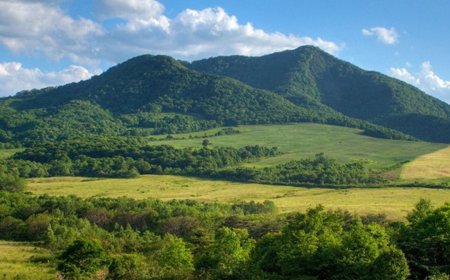
The Statue of Unity is located in a region that experiences a semi-arid climate with three major seasons: summer, monsoon, and winter. Positioned amidst the Satpura and Vindhyachal mountain ranges and close to the Sardar Sarovar Dam, this region showcases scenic beauty, dry landscapes, and seasonal river flows. Given the open spaces and outdoor nature of the site, weather conditions significantly impact visitor comfort and sightseeing experiences.
Summer Weather at the Statue of Unity
Summer months in Kevadia start from March and last until June. During this period, temperatures can soar, often reaching highs of around 40C (104F). The days are long, hot, and dry, with very little breeze. This season is not ideal for midday sightseeing due to extreme heat, especially for families with children or elderly travelers.
If you plan to visit during summer, early morning hours or late afternoon are the most suitable times to explore the surroundings. Attractions like the viewing gallery, museum, valley of flowers, and jungle safari can still be enjoyed if proper precautions are taken, such as staying hydrated, wearing light cotton clothing, and using sunscreen.
Monsoon Weather Around the Statue of Unity
The monsoon arrives in the region by late June and typically continues till September. Rainfall brings welcome relief from the scorching summer heat and adds a fresh vibrancy to the landscape. The greenery around the Sardar Sarovar Dam, the nearby forest areas, and the Narmada riverbanks come to life during this time.
However, consistent rain can make outdoor exploration difficult. Muddy paths, slippery walkways, and humid weather conditions may affect sightseeing plans. While the statue itself remains accessible, fog and clouds might limit the visibility from the viewing deck. Those who enjoy lush surroundings and nature at its fullest might still find the monsoon an enjoyable time to visit, though rain gear and extra planning are advised.
Winter Weather The Best Time to Visit
The most pleasant season to explore the Statue of Unity is winter, which spans from November to February. During this time, temperatures range between 12C to 28C, making it the perfect climate for long walks, photo opportunities, and full-day excursions.
Clear skies and cool breezes make winter ideal for exploring both the statue complex and nearby attractions like the Glow Garden, Butterfly Garden, Cactus Garden, and Zarvani Waterfalls. Tourists can comfortably enjoy boat rides and other adventure activities available in the region. Given its popularity during this season, it is wise to book accommodations and tickets in advance.
Winter mornings are crisp and fog-free, while evenings are cool and peaceful, allowing for a full day of exploration without discomfort. Whether you're a photography enthusiast or a nature lover, this season offers the best setting.
Real-Time Weather Updates and Planning Tools
Before heading out to the Statue of Unity, it is recommended to check real-time weather updates. Various weather apps and websites provide day-wise forecasts, which help in packing the right clothes and scheduling your visit for maximum comfort. On days with high heat or rainfall, indoor attractions like the exhibition hall and museum inside the statue offer a good alternative to outdoor activities.
For those planning multi-day trips, especially during seasonal transitions, keeping an eye on local forecasts ensures youre not caught off guard by unexpected rain or heatwaves.
Things to Consider Based on Weather
Depending on the season you visit, certain preparations can make your trip much more enjoyable. In summer, prioritize hydration and sun protection. In monsoon, carry umbrellas or raincoats and wear waterproof footwear. In winter, pack light woolens and enjoy long daytime walks without discomfort.
Since the Statue of Unity is part of a larger tourism ecosystem including nearby eco-tourism sites, the weather will also affect your ability to enjoy trekking, ziplining, and visiting tribal villages or the Shoolpaneshwar Wildlife Sanctuary.
Travelers often make the mistake of underestimating the impact of local climate on sightseeing quality. Planning around the statue of unity weather ensures your travel experience is both enjoyable and safe.
Final Thoughts on the Ideal Travel Season
While the Statue of Unity is open year-round, the experience greatly depends on the weather conditions. Winter is undoubtedly the best time to visit due to its cool, comfortable climate. Monsoon offers lush greenery but poses travel challenges due to heavy rains. Summer is the least preferred due to extreme heat, though visiting during morning or evening hours can still offer value.
Each season brings its own charm, and the choice of when to visit depends on your preferences, whether you enjoy nature in bloom, cooler temperatures, or fewer crowds. With proper planning based on seasonal patterns, your trip to the worlds tallest statue will be a memorable one.
From the towering monument to the eco-tourism sites surrounding it, the weather in this region plays a key role in shaping the travel experience. So before you pack your bags, take a few minutes to review the current statue of unity weather, plan your schedule accordingly, and get ready to witness one of Indias most iconic landmarks in the best possible way.