




















Why Modular Design Matters in Website Development Companies
Why Modular Design Matters in Website Development Companies


Website Development Company today is no longer just concerned with building attractive web pagesits about delivering robust, scalable, and maintainable solutions that evolve with user needs. In that context, modular design has emerged as a cornerstone of efficient and future-ready web development.
Modular design allows developers to break a website into independent, self-contained modules or components, each handling a specific feature or function. This makes websites easier to maintain, faster to scale, and simpler to update without disrupting the entire architecture. Leading website development companies across the globe are implementing modular design to improve project turnaround time, reduce code duplication, and enhance team collaboration.
In this article, well explore the fundamentals of modular web design, why it's become essential, and how expert development firms use it to deliver modern, high-performance web solutions.
? What Is Modular Web Design?
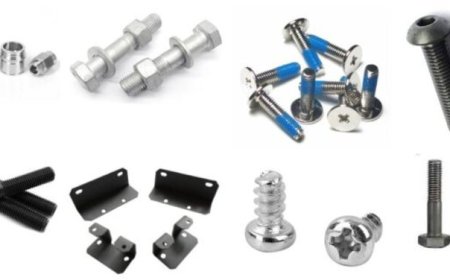
Modular web design refers to the practice of building a website using independent sections or components, much like constructing with LEGO blocks. Each module performs a specific function (e.g., navigation menu, banner slider, blog card, product grid) and can be reused across different pages.
? Key Characteristics:
-
Independent logic and styling per module
-
Encapsulation (changes in one module dont affect others)
-
Composability (combine modules into complex layouts)
-
Reusability across different parts of the site or even other projects
This structure is ideal for websites with frequent updates, user interaction, or custom workflows.
? Why Modular Design is Crucial for Website Development Companies
Top-tier website development companies adopt modular architecture to gain advantages in:
|
Benefit |
Description |
|
? Faster Development |
Build once, reuse everywhere |
|
? Better Maintenance |
Isolated modules are easier to debug or replace |
|
? Scalable Architecture |
Easily add new features or pages |
|
? Cross-Team Collaboration |
Frontend, backend, and design teams work in parallel |
|
? Testability |
Modular components allow for easier unit and integration testing |
It also enhances UI consistency, performance, and code claritykey for agile, fast-paced product cycles.
? Real-World Scenario: Online Course Platform
A rapidly growing ed-tech startup partnered with a website development company to build an interactive course platform. Instead of hard-coding each page, the company built a modular architecture with components like:
-
Course Cards
-
Rating & Review Widgets
-
Quiz Builder Module
-
Video Player Module
-
Payment Integration Component
Each module was developed independently and combined in various templates using Next.js.
Results:
-
Reduced development time by 40%
-
Reused modules across web and mobile apps
-
Simplified future updates and A/B testing
-
Achieved component parity across international sites
?? Technologies Used for Modular Development
Modern website development teams use a range of tools to implement modular design:
|
Role |
Tools |
|
Component Development |
React, Vue, Angular |
|
Styling |
Tailwind CSS, SCSS Modules, Styled Components |
|
Design Systems |
Figma + Storybook |
|
CMS Integration |
Headless CMS (Sanity, Strapi, Contentful) |
|
State Management |
Redux, Context API, Pinia |
|
Deployment |
Vercel, Netlify, Docker |
These tools help ensure that each module is self-contained, testable, and ready to scale.
? Modular vs Traditional Design Approach
|
Feature |
Modular Design |
Traditional Design |
|
Scalability |
High |
Low |
|
Maintainability |
Easy |
Difficult |
|
Reusability |
High |
Minimal |
|
Codebase |
Organized |
Monolithic |
|
Development Speed |
Fast |
Slower |
|
Testing |
Easier |
Complex |
In traditional designs, a change in one section often breaks others. In modular systems, each unit is autonomous, reducing regression issues.
? How Development Companies Implement Modular Workflows
1. Design Phase
-
UX/UI teams build atomic components in Figma
-
Shared design tokens for consistency
-
Components mapped to frontend equivalents
2. Development Phase
-
Developers code each component with scoped styles
-
Integrated into templates dynamically
-
Modules stored in versioned libraries (Bit.dev, Lerna)
3. Testing & QA
-
Unit tests for each module
-
Visual snapshot testing (Storybook + Chromatic)
-
End-to-end flows with Cypress or Playwright
4. Deployment & Maintenance
-
Modules are part of CI/CD pipeline
-
Can be hot-fixed, updated, or deprecated independently
-
Updates auto-deployed using GitHub Actions or Jenkins
? Modular Design and Security
Modular design also enhances web security:
-
Fewer code dependencies = smaller attack surface
-
Easier to sandbox vulnerable sections
-
Better auditing and logging within isolated modules
-
Role-based access can be defined at the module level
Development companies adopt security-first practices using OAuth2, content security policies (CSP), rate limiting, and static analysis tools like Snyk or SonarQube.
? Component Documentation & Developer Handoff
Documentation is critical for module reuse.
Top firms maintain:
-
Live component previews in Storybook
-
Markdown + code snippets for usage
-
Changelogs for version tracking
-
Collaboration between designers, QA, and engineers
This results in faster onboarding for new developers and seamless client handoffs.
Challenges & How Experts Handle Them
|
Challenge |
Solution |
|
Overhead in initial setup |
Use scaffold tools like Create React App, Vite |
|
Component bloating |
Enforce strict naming & abstraction limits |
|
Version conflicts |
Use semantic versioning (SemVer) and monorepos |
|
Style inconsistencies |
Adopt Tailwind and design tokens |
Final Thoughts
Website Development Company in India that focuses on modular design is well-positioned to deliver digital products that are maintainable, efficient, and adaptable to fast-changing requirements. Whether you're scaling an enterprise platform or launching a high-conversion marketing site, modular architecture offers clear long-term benefits.
With clean code practices, rapid prototyping, and agile development, the modular approach ensures that websites not only look good but perform well, adapt fast, and stay future-ready.
? Ready to Modularize Your Web Platform?
Let MSM Coretech Innovations help you design a truly modular, scalable website architecture. From atomic components to complete UI systems, we bring the tools and expertise to future-proof your digital presence.
? Book a free consultation now
? Modular development starts with a single componentlets build it right.