
















Explore Chinese Arts: A Deep Dive into Cultural Expression with China Art Hub
Chinese arts have long captured the world’s imagination, combining aesthetics with deep philosophical meaning.

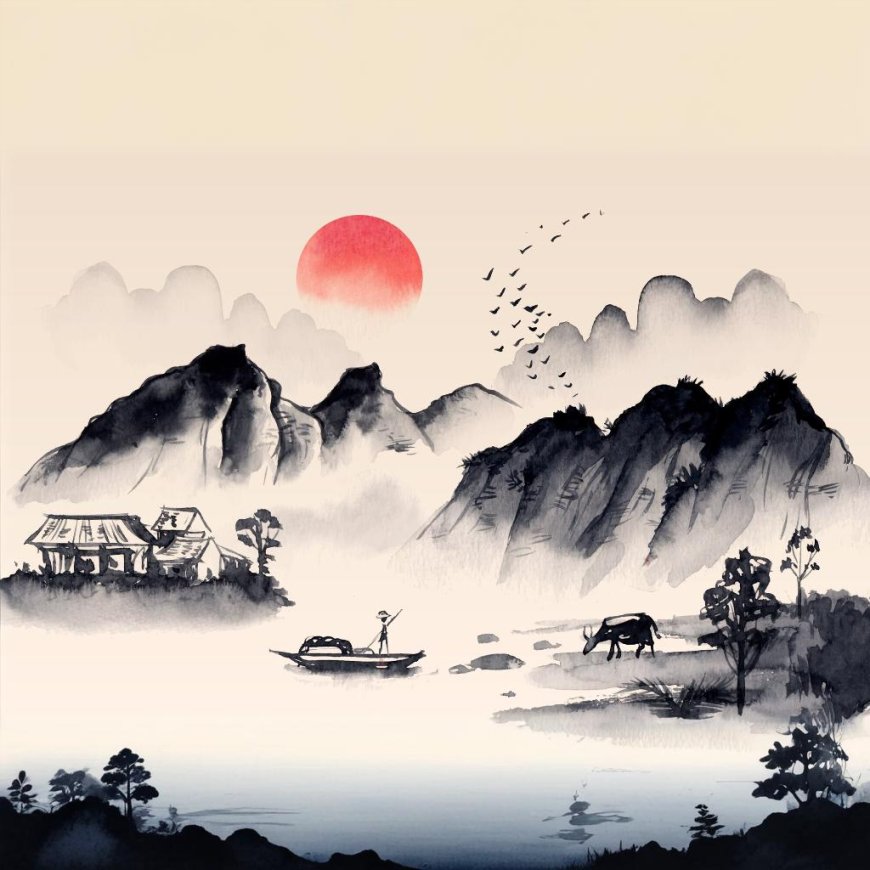
Chinese arts have long captured the worlds imagination, combining aesthetics with deep philosophical meaning. At China Art Hub, we bring you closer to this timeless traditionexploring calligraphy, ink wash painting, silk art, sculpture, porcelain, and folk crafts in one curated space. Whether you're an enthusiast, collector, or student, this guide will immerse you in the beauty and complexity of Chinese arts.
What Are Chinese Arts?
Chinese arts refer to a vast range of visual and performance traditions rooted in over 5,000 years of Chinese culture. From the intricate strokes of a calligraphy brush to the symbolism behind dragon motifs in porcelain, every element reflects spiritual and social dimensions of Chinese life.
Core Forms of Chinese Arts
Here's a structured table highlighting the most iconic forms:
| Art Form | Materials Used | Notable Period | Cultural Value |
|---|---|---|---|
| Calligraphy | Brush, Ink, Rice Paper, Silk | Han to Qing Dynasties | Intellectual and spiritual expression |
| Ink Wash Painting | Black Ink, Brushes, Rice Paper | Tang Dynasty onward | Landscape philosophy & literati ideals |
| Chinese Porcelain | Kaolin Clay, Glaze, Kilns | Song to Ming Dynasties | Luxury trade and domestic ritual use |
| Silk Art & Embroidery | Silk Threads, Colored Dyes | Eastern Zhou to Modern | Status symbols, especially among nobility |
| Paper Cutting & Folk Art | Red Paper, Scissors, Stencils | Traditional Festivals | Decorative and symbolic, tied to beliefs |
Why China Art Hub?
-
Curated Knowledge: Content crafted by artists and historians
-
Authentic Resources: Direct insights from traditional art practitioners
-
Updated Trends: Blending old techniques with contemporary innovation
-
Educational Guides: Tutorials, materials, and cultural references
We focus not just on selling supplieswe build a community that understands the roots of what they create.
Featured Categories on China Art Hub
1. Chinese Calligraphy Supplies
-
Magic pencils
-
Brushes with natural bristles
-
Water-based ink sticks
-
Paper scrolls and calligraphy pads
2. Sketching and Drawing Materials
-
Infinite graphite pencils (no sharpening)
-
Erasable pens for detailed line art
-
Dual-purpose writing + sketching tools
3. Art Sets for Beginners and Experts
-
Customized kits by art level
-
Traditional + modern fusion packages
-
Ideal for gifting or workshops
Quick Educational Tips
-
Learn the stroke order in calligraphy before practicing characters.
-
Use rice paper for ink wash painting as it best absorbs gradient tones.
-
Layering is key in Chinese embroidery; stitch direction shows texture.
-
Symbolism matters: Lotus symbolizes purity, dragon means power.
FAQs Section
What is the difference between Chinese painting and Western painting?
Chinese painting traditionally uses black ink on rice paper with an emphasis on brush technique and philosophy, while Western painting uses oil, acrylics, and canvas with a focus on realism and perspective.
Why is calligraphy considered a high art in China?
Because it combines language, rhythm, and emotion. A person's brushwork reflects their inner self, education, and spiritual discipline.
Can beginners learn Chinese arts easily?
Yes. China Art Hub provides beginner-friendly materials and tutorials, such as eternal graphite pencils and basic calligraphy sets tailored for new learners.
What does red paper cutting symbolize?
It often symbolizes good luck, prosperity, and happiness. Common during festivals like Lunar New Year, its both decorative and culturally meaningful.
Expert Insight: Ink Wash Painting Techniques
Did you know? The "Four Treasures of the Study"brush, ink, paper, and inkstoneare essential tools for traditional Chinese painters.
Heres how to start a basic ink wash:
-
Prepare three ink shades: light, medium, and dark.
-
Begin with the lightest tones to sketch the background.
-
Add shadows and middle layers with medium ink.
-
Use dark ink for accents and outlines.
-
Let it dry naturally; dont use heatit can warp rice paper.
Reader Engagement Prompts
-
Have you ever tried calligraphy or paper cutting? Share your experiences in the comments.
-
Which Chinese art form are you most fascinated by and why?
-
What tool or technique from this list would you like a tutorial on next?
Final Thought
Chinese arts are more than visualthey are a living tradition, echoing centuries of thought, storytelling, and aesthetics. Whether you're just beginning your artistic path or refining your skills, China Art Hub stands ready to equip, educate, and inspire.