















Understanding Equipment Lease: A Smart Business Move
Explore the benefits of Equipment Lease for businesses of all sizes. Learn how leasing helps conserve cash, access the latest tech, and maintain flexibility.
In todays fast-paced and competitive business environment, having access to the right tools and technology is essential. However, purchasing heavy or high-tech equipment outright can place a significant financial burden on businesses, especially startups and small companies. Thats where the concept of Equipment Lease comes in. Equipment leasing allows businesses to acquire the machinery, technology, or tools they need without the upfront cost of buying them outright.
Whether you're a contractor looking for construction equipment, a medical professional needing advanced diagnostic machines, or a logistics company requiring transport tools, equipment leasing provides a flexible, cost-effective solution. It allows you to use the latest equipment while preserving your cash flow and reducing long-term financial commitment.
What Is an Equipment Lease?
An Equipment Lease is a contractual agreement where one party (the lessor) allows another party (the lessee) to use equipment for a specific period in exchange for regular payments. The equipment remains the property of the lessor during the lease term. This approach is particularly useful for businesses that need expensive or specialized equipment but do not wish to tie up their capital in a purchase.
There are two main types of equipment leases:
-
Operating Lease: This is more like a rental. You use the equipment for a short time and return it after the lease ends.
-
Finance Lease (Capital Lease): This works more like a loan. You pay for the equipment over time and often get the option to purchase it at the end of the lease.
Benefits of Leasing Equipment
Leasing has become a common business strategy for companies across many industries. Below are some compelling reasons to consider an Equipment Lease:
1. Preserve Cash Flow
One of the biggest advantages of leasing is the ability to conserve cash. Instead of making a large upfront investment, companies can spread out payments over months or years. This is especially important for businesses that need to maintain liquidity for operations, marketing, or expansion.
2. Access to Latest Technology
Leasing allows businesses to stay up to date with the latest technology without constantly buying new equipment. At the end of a lease, companies can upgrade to newer, more efficient models, ensuring they remain competitive and efficient.
3. Tax Benefits
In many regions, lease payments can be deducted as business expenses, potentially reducing the overall tax burden. This makes an Equipment Lease not just a financial tool, but also a strategic tax-saving option.
4. No Maintenance Hassle (Sometimes)
Some lease agreements include maintenance and servicing as part of the deal. This means the lessor is responsible for keeping the equipment in working order, saving the lessee time and stress.
5. Flexible Terms and Options
Leasing agreements can be tailored to meet your specific needs. Whether you want short-term rentals or long-term use with a purchase option, there's likely an equipment lease that fits your business goals.
Who Should Consider Equipment Leasing?
While almost any business can benefit from leasing, its particularly ideal for:
-
Startups: Avoid large upfront costs while still gaining access to essential tools.
-
Seasonal Businesses: Only lease equipment when needed during peak seasons.
-
Tech-Heavy Industries: Keep up with rapid technological changes affordably.
-
Construction and Manufacturing: Gain access to expensive machinery without long-term ownership risks.
Equipment Leasing vs. Buying: Whats Better?
The decision between leasing and buying comes down to several factors. Buying gives you ownership and long-term value, but ties up capital. Leasing, on the other hand, offers flexibility, lower initial costs, and easier upgrades.
For example, if a company needs a high-tech printer that becomes obsolete every two years, leasing might be the smarter choice. On the other hand, if the same company needs a basic forklift that can last ten years with minimal updates, purchasing might be more cost-effective.
Thats why many companies are now taking a blended approachbuying essential long-term-use items and leasing technology or high-maintenance equipment.
How to Get Started with Equipment Leasing
If you're considering an Equipment Lease, start by evaluating your business needs. What kind of equipment do you need? How long will you need it? How much can you afford to pay monthly?
Once you have these answers, look for reputable leasing providers. It's essential to read the lease agreement thoroughly, paying attention to terms, conditions, penalties, and maintenance responsibilities.
Be sure to compare offers from multiple providers to ensure youre getting the best deal. Some leases may seem inexpensive at first glance but come with hidden fees or unfavorable terms.
Final Thoughts
Incorporating an Equipment Lease strategy into your business operations can offer flexibility, cost savings, and access to the latest technologyall without draining your capital. From medical devices to construction tools, leasing allows you to scale operations efficiently and adapt to changing needs without long-term commitments.
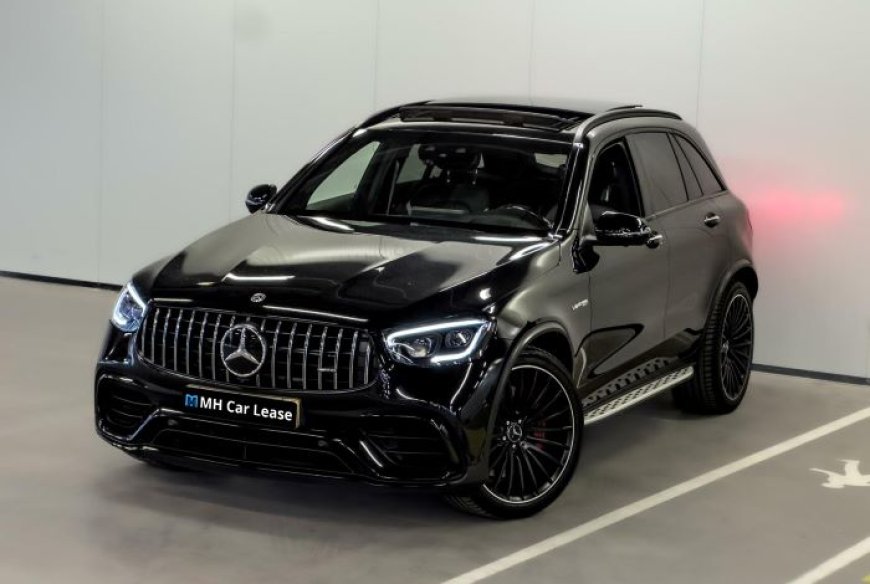
If youre looking for a reliable leasing option or want to explore whats available in the market, companies like MH Car Lease offer a variety of lease solutions tailored to business needs. Whether its vehicles or commercial-grade equipment, MH Car Lease is a trusted name for smart leasing choices.