



















Identifying Teeth That Are More Difficult to Move with Invisalign
Understand which teeth are harder to move with Invisalign and why planning matters. Achieve a healthier, straighter smile with clear expectations.


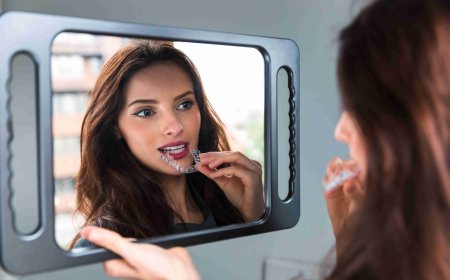
Invisalign has changed how we approach teeth straightening offering a nearly invisible, more comfortable solution that fits effortlessly into everyday routines. While its effective for many alignment issues, not all teeth move with the same ease. Some, due to their shape, size, or position, require more attention and time. Understanding which teeth may present challenges helps set realistic expectations and allows for better planning with your dentist. With the right guidance and a personalised treatment plan, you can still achieve a beautifully aligned, healthy smile that looks and feels completely natural, no matter how stubborn certain teeth may be.
Why Not All Teeth Move Equally
Orthodontics works by applying steady, gentle pressure to teeth, guiding them through bone to new positions. But the ease with which teeth move depends on a range of factors:
- Root length and shape longer or curved roots resist movement
- Bone density denser bone can slow progress
- Jaw position upper and lower arches may respond differently
- Previous dental work crowns, bridges, or implants can complicate things
When you visit yourInvisalign Derbyprovider, theyll do a detailed assessment so you know which teeth will move quickly and which might need more time or even alternative approaches.

Canines: Stubborn but Essential
Canines -the pointy teeth next to your front teeth are crucial for your bite, helping guide your jaw as you chew and speak. Theyre designed to be stable and strong, great for chewing, less great for moving.
Why canines can be tricky:
- Long roots make them more resistant to pressure
- Need for rotation is common, but aligners can struggle without attachments
- Crowding issues often affect canines, requiring space creation
To improve results, Invisalign often uses attachments small, tooth-coloured shapes bonded to teeth that let trays grip better. For many Invisalign patients, these attachments are vital for successful canine movement.
Molars: Big, Strong, and Stubborn
Molars are your workhorses, grinding food and absorbing bite forces. Their size and multiple roots mean theyre naturally harder to move.
Challenges of moving molars:
- Large roots spread widely in bone
- Require bodily movement, not just tipping
- Space issues if wisdom teeth are present
Careful planning is crucial to avoid problems like bite misalignment. A good Invisalign provider will discuss these challenges honestly, ensuring you know the expected timeline and limitations.
Video link: Straighten Your Smile with Invisalign in Derby
Rotated Teeth: Difficult to Grip and Turn
Rotated teeth are those that have twisted in the arch, a common alignment problem that can be hard to correct with clear aligners.
Why rotations are challenging:
- Aligners need solid grip to turn teeth
- Teeth with rounder shapes (like lateral incisors) are especially hard to rotate
- Severe rotations may not fully correct with Invisalign alone
Your dentist may use attachments or ask you to use chewies, small rubbery aids that help seat aligners more snugly, improving force application on rotated teeth.
Vertical Movement: Intrusion and Extrusion
While Invisalign is excellent at tipping and mild rotation, vertical movements are among the toughest to achieve. These involve pushing teeth deeper into the bone (intrusion) or pulling them out (extrusion).
Difficulties with vertical movement:
- Intrusion needs extremely gentle, precise force to avoid damage
- Extrusion relies on aligner retention and grip
- Often requires elastics or attachments for success
Not every vertical movement is possible with aligners alone, so your Invisalign Derby provider will explain if certain goals need added tools or even partial fixed appliances.
Teeth with Previous Dental Work
If you have fillings, crowns, bridges, or implants, youre not alone as many adults seeking Invisalign do. But these add extra planning steps:
- Implants dont move at all, theyre fused to bone
- Bridges connect teeth making independent movement tough
- Crowns can limit attachment placement or need custom shapes
Your provider will assess these carefully. Sometimes a consultation with an Emergency dentist in Derby is needed to check old work, ensure its stable, or even replace a failing crown before starting treatment.
Bone Health, Age, and Movement Speed
Your jawbone is constantly remodelling, allowing teeth to shift when guided properly. But age, health, and lifestyle influence how fast and predictably this happens.
Factors influencing movement speed:
- Bone density:denser bone in adults can slow changes
- Age:teens see faster results because bone remodels more quickly
- Oral health:gum disease or bone loss complicates movement
While adults can still have great results with Invisalign, treatment may take a little longer or need refinements. Your dentist will tailor your plan to your age, health, and expectations for the best outcome.
Dealing with Emergencies During Treatment
Even with careful planning, unexpected dental problems can occur mid-treatment. For example:
- Cavities developing beneath attachments
- Cracked or chipped teeth interfering with aligner fit
- Lost or damaged attachments affecting tracking
If you experience sudden pain or damage, seeing anEmergency dentist in Derbyquickly is crucial. Prompt care ensures your aligners continue to fit properly and your treatment stays on schedule without risking your oral health.

Tips for Success with Challenging Teeth
Even when certain teeth are harder to move, you can improve your chances of great results with these habits:
- Wear aligners 2022 hours daily:Consistency is essential
- Use chewies regularly:Helps seat trays fully against teeth
- Attend all check-ups:Early detection of tracking issues avoids delays
- Report lost attachments immediately:Dont wait and risk drifting
- Follow instructions for elastics or refinements:These help with tricky movements
Aligner treatment is a partnership between you and your dental team. Staying committed and following advice can make even tough cases more successful.
Conclusion
Invisalign is a superb option for straightening teeth with comfort and discretion, but its important to know that some teeth require extra care and planning to move. By working closely with your dentist and understanding which teeth are more resistant, you can approach treatment with clear expectations and confidence. EDD is here to support your journey every step of the way, providing expert guidance, personalised care, and the friendly advice you need for a straighter, healthier, and truly confident smile youll love for years.