





















How Are Lab Grown Diamond Rings Made? The Complete Process Explained
Discover how a lab grown diamond ring is made—from seed to sparkle. Learn about HPHT and CVD methods, ethical benefits, cost savings, and why lab-grown diamonds are a smart, sustainable choice for modern jewelry lovers.
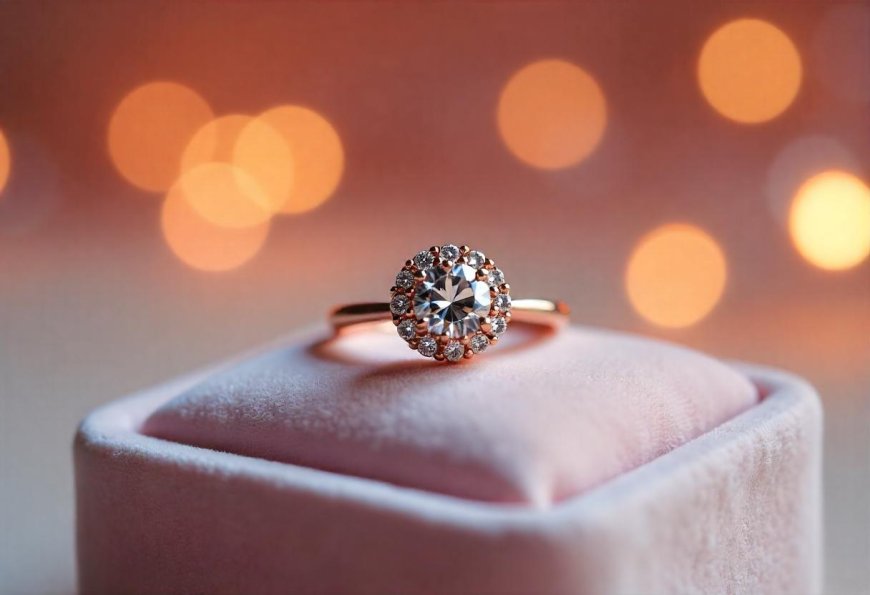
Lab grown diamond ring designs are quickly becoming popular among people who want beautiful jewelry at better prices. These diamonds are not mined from the earth. Instead, they are made in a lab using modern technology. Today, lab-grown diamonds make up about 3-5% of global diamond salesand this number is growing fast. More and more people are choosing these rings because they are affordable, ethical, and just as stunning as mined diamonds.
In this blog, well explain how lab grown diamond rings are madefrom the science behind the diamonds to how they are turned into beautiful jewelry. If you're thinking of buying one, this guide will help you understand everything you need to know.
The Basics of Lab Grown Diamonds
What Are Lab Grown Diamonds?
Lab grown diamonds are real diamonds. They are made with the same carbon atoms and crystal structure as natural diamonds found deep in the earth. The only difference is where they come from.
Instead of forming underground over billions of years, lab-grown diamonds are made in a lab in just a few weeks. These labs use high technology to create the perfect conditions for diamonds to grow.
Many people confuse lab diamonds with simulants like cubic zirconia or moissanite. But those are not real diamonds. Lab grown diamonds are chemically and physically the same as mined ones.
Why Choose Lab Grown Diamonds?
There are many reasons why people now prefer lab grown diamonds:
-
Lower cost: They are usually 30-40% cheaper than mined diamonds.
-
Eco-friendly: No digging, no damage to the earth.
-
Ethical: No risk of blood diamonds or unsafe mining.
-
Same quality: They look, feel, and shine just like natural diamonds.
Types of Lab Grown Diamonds
There are two main ways to grow diamonds in a lab:
-
High Pressure High Temperature (HPHT)
-
Chemical Vapor Deposition (CVD)
Lets look at each one in detail.
The Main Methods of Making Lab Grown Diamonds
High Pressure High Temperature (HPHT)
This method copies the way diamonds form naturally under the earth.
The Process:
-
It starts with a tiny diamond seed.
-
The seed is placed in a machine.
-
The machine adds very high pressure and temperature, like the deep parts of the earth.
-
Slowly, carbon builds around the seed and forms a diamond crystal.
-
This process takes a few weeks.
HPHT is often used by large diamond makers who want to produce many diamonds at once. Big brands use this method to make affordable but high-quality stones.
Chemical Vapor Deposition (CVD)
This is a newer and more high-tech method.
The Process:
-
A diamond seed is placed inside a special chamber.
-
Carbon-rich gases like methane are added.
-
Microwaves are used to heat the gases.
-
The gas breaks down and releases carbon atoms.
-
These atoms slowly build up on the seed, creating a diamond layer by layer.
This process also takes a few weeks but allows better control over diamond purity. Many experts say that CVD diamonds are extremely clean and high-quality.
Comparing HPHT and CVD
| Feature | HPHT | CVD |
|---|---|---|
| Cost | Slightly lower | Slightly higher |
| Purity | May have metallic inclusions | Very pure and clean |
| Use | Mass production | Premium jewelry and custom work |
Both methods producereal diamonds, and both are used in lab grown diamond rings depending on the quality and price point needed.
From Crystal to Ring: The Shaping and Finishing Process
Once the diamond crystal is grown, it still needs to be turned into a sparkling stone you see in jewelry stores.
Cutting and Polishing
Raw diamonds are not shiny. They look like glass pebbles. Skilled workers use laser machines and hand tools to cut them into shapes like round, princess, or oval. This step requires great care, because one wrong cut can reduce the diamond's value.
After cutting, the stone is polished to make it shiny and brilliant. This step makes the diamond reflect light beautifully.
High-end jewelers follow strict quality control to make sure each diamond looks perfect.
Grading and Certification
Just like natural diamonds, lab grown diamonds are also graded and certified.
Top labs like:
-
GIA (Gemological Institute of America)
-
IGI (International Gemological Institute)
check the diamonds for:
-
Carat (weight)
-
Color
-
Clarity (how clean it is inside)
-
Cut (how well it's shaped)
You should always ask for a certificate when buying a lab grown diamond ring. This ensures you get what youre paying for.
Setting the Diamond into a Ring
Once the diamond is cut and certified, it is ready to be set into a ring. This is where creativity comes in.
Jewelers design rings to make the diamond stand out. Popular settings include:
-
Prong setting: Holds the diamond with tiny claws.
-
Bezel setting: Surrounds the diamond with metal.
-
Halo setting: Smaller diamonds circle the main one.
Some brands also offer custom rings where you can choose your own design, metal, and diamond shape. This makes lab grown diamond rings perfect for engagements, anniversaries, or even daily wear.
The Benefits of Lab Grown Diamond Rings
Environmental and Ethical Impact
Making lab diamonds uses 40% less energy than mining. It also saves water and avoids pollution.
One major lab diamond company reported they cut water use by 50% compared to traditional mining.
Since these diamonds are made in a lab, theres no risk of funding wars or using child labor.
Cost and Value
Lab grown diamonds offer great value for money. Instead of paying for the rarity of mined stones, youre investing in pure quality and beauty.
Many customers say they feel more confident and satisfied with their purchase when they choose lab-grown diamonds. You can often afford a larger or better-quality diamond for the same budget.
Expert Insights
Many gem experts and jewelers now support lab grown diamonds. They confirm that:
Lab grown diamonds are just as durable and brilliant as mined diamonds, says a gemologist from IGI.
As more big brands and designers accept lab-grown options, these rings are no longer just a trendthey are the future of fine jewelry.
Conclusion: The Future of Lab Grown Diamond Rings
Lab grown diamond rings are not only beautiful but also smart choices for modern buyers. Thanks to science and innovation, these diamonds offer the same sparkle and strength as natural onesat a better price and with less harm to the planet.
With more jewelers offering these options, and consumers becoming more informed, the popularity of lab grown diamond rings will only grow.
Before buying, always remember to:
-
Ask about the growing method (HPHT or CVD)
-
Check for certification (GIA, IGI)
-
Choose a setting that suits your style
Whether its for an engagement, a gift, or just to treat yourself, a lab grown diamond ring is a choice you can feel proud ofboth ethically and financially.