





















Energy Efficiency and Cost Savings with Underfloor Heating
In the pursuit of sustainable living and reduced energy bills, homeowners and property developers are increasingly turning to innovative heating solutions. Among these, underfloor heating has gained prominence, offering a combination of comfort, efficiency, and long-term savings. When integrated with modern technologies such as MVHR ventilation, heat pumps, and advanced ventilation systems, underfloor heating becomes a powerful tool in creating energy-efficient homes. This article explores how underfloor heating, coupled with these technologies, can optimise energy efficiency and deliver significant cost savings.
The Advantages of Underfloor Heating
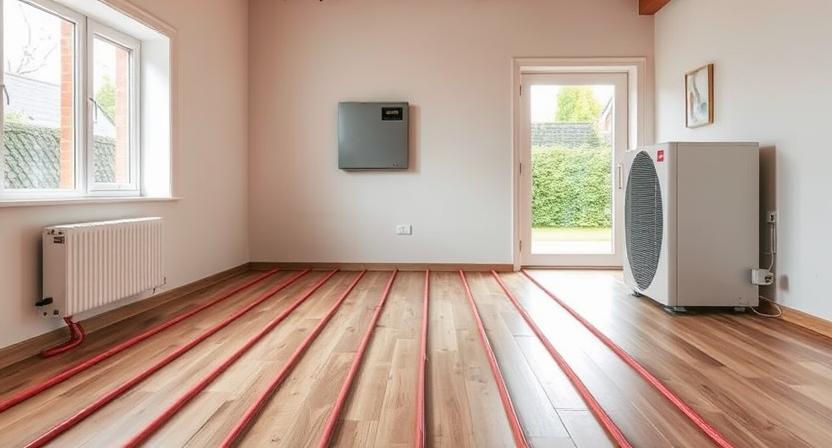
Underfloor heating, also known as heated floors, provides a consistent and comfortable heat distribution across a space. Unlike traditional radiators, which create hot spots and uneven heating, underfloor systems emit warmth evenly from the ground up, leading to a more comfortable indoor environment. This method of heating is particularly compatible with modern, airtight homes where energy efficiency is a priority.
One of the key benefits of underfloor heating is its high energy efficiency. Because it operates at lower temperatures compared to traditional radiators, it consumes less energy to produce the same level of comfort. This reduction in energy consumption translates directly into lower utility bills, making underfloor heating an attractive option for cost-conscious consumers. Additionally, heated floors eliminate the need for bulky radiators, freeing up space and allowing for more flexible interior design.
Integrating Heat Pumps with Underfloor Heating
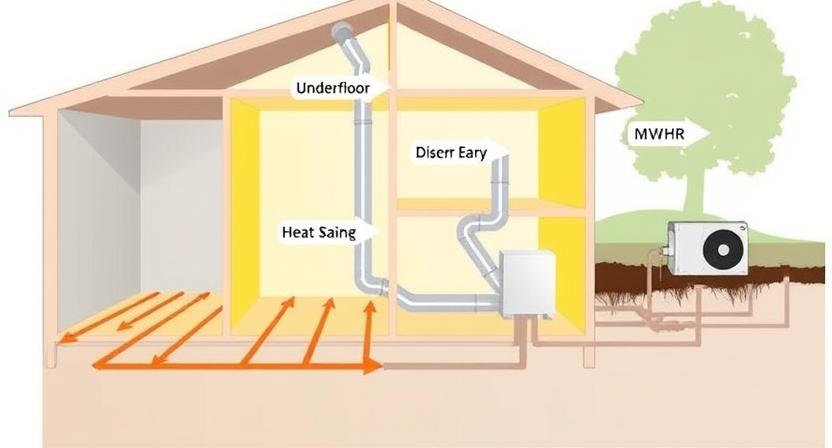
The synergy between heat pumps and underfloor heating systems significantly enhances energy efficiency. Heat pumps extract heat from the environmentbe it air, ground, or waterand transfer it into the building. When used in conjunction with underfloor heating, heat pumps can operate at lower temperatures, which improves their efficiency and reduces energy consumption.
Air-source heat pumps are particularly popular in UK homes for their ease of installation and cost-effectiveness. They work efficiently even in colder weather, providing a reliable heat source for underfloor heating systems during winter months. Ground-source heat pumps, although more expensive initially, offer higher efficiency by harnessing geothermal energy, which remains relatively stable throughout the year. The combination of heat pumps and underfloor heating creates a sustainable, low-carbon heating solution that significantly reduces reliance on fossil fuels.
MVHR Ventilation and Its Role in Energy Efficiency
Mechanical Ventilation with Heat Recovery (MVHR) is a vital component of modern, energy-efficient buildings. MVHR systems continuously extract stale air from inside the property while bringing in fresh, filtered air from outside. The system recovers heat from the outgoing air and transfers it to the incoming air, thus maintaining indoor air quality without significant heat loss.
When paired with underfloor heating, MVHR ventilation ensures that indoor spaces remain warm and well-ventilated without excessive energy expenditure. This integration reduces the need for additional heating, further boosting energy efficiency. By maintaining a steady indoor climate, MVHR ventilation helps minimise drafts and cold spots, complementing the even warmth provided by heated floors.
Cost Savings Through Energy Efficiency
One of the most compelling reasons to invest in underfloor heating, especially when combined with MVHR ventilation and heat pumps, is the potential for substantial cost savings. The initial installation costs may be higher compared to traditional systems, but the long-term savings in energy bills more than compensate for this outlay.
Lower operating temperatures mean that heat pumps and underfloor heating systems use less electricity, leading to reduced energy costs. Additionally, the improved insulation and airtightness facilitated by MVHR ventilation minimise heat loss, ensuring that the energy used for heating is not wasted. These factors collectively contribute to a decrease in overall energy consumption.
Furthermore, government incentives and grants aimed at promoting renewable energy solutions can offset installation costs. The UK governments commitment to reducing carbon emissions encourages the adoption of heat pumps and energy-efficient heating systems, making the transition financially viable for many homeowners.
Environmental Benefits and Sustainability
Beyond cost savings, adopting underfloor heating in combination with MVHR ventilation and heat pumps significantly reduces the carbon footprint of a property. These technologies promote the use of renewable energy sources and minimise reliance on fossil fuels. As a result, homes become more sustainable, aligning with broader environmental goals.
In areas where district heating or renewable energy infrastructure is available, these systems can be integrated seamlessly, further decreasing environmental impact. Heated floors can be powered by green energy, ensuring that the comfort they provide does not come at the expense of the planet.
Practical Considerations and Implementation
Implementing underfloor heating alongside MVHR ventilation and heat pumps requires careful planning and professional installation. The design must consider the buildings insulation, floor types, and overall airtightness to maximise energy efficiency. Proper zoning allows for targeted heating, reducing unnecessary energy use.
Retrofitting existing homes with heated floors can be more complex than installing in new builds, but modern solutions and flexible piping systems make it feasible. It is advisable to consult experienced professionals who can tailor a system to suit specific property requirements.
Conclusion
The integration of underfloor heating, MVHR ventilation, and heat pumps offers a comprehensive approach to achieving energy efficiency and cost savings in residential properties. Heated floors provide uniform warmth and reduce energy consumption, while heat pumps serve as an environmentally friendly heat source. MVHR ventilation ensures optimal indoor air quality and further reduces heat loss, amplifying the benefits of the entire system.
By investing in these advanced technologies, homeowners not only enjoy increased comfort and lower utility bills but also contribute to a more sustainable future. As the UK moves towards stricter environmental standards, embracing these innovative heating solutions will become increasingly essential for energy-conscious living.