























Copy vs. Original Cartier Watches: What’s the Real Difference?
This guide dives deep into the real differences between authentic Cartier watches and their counterfeit counterparts — helping you make an informed choice.

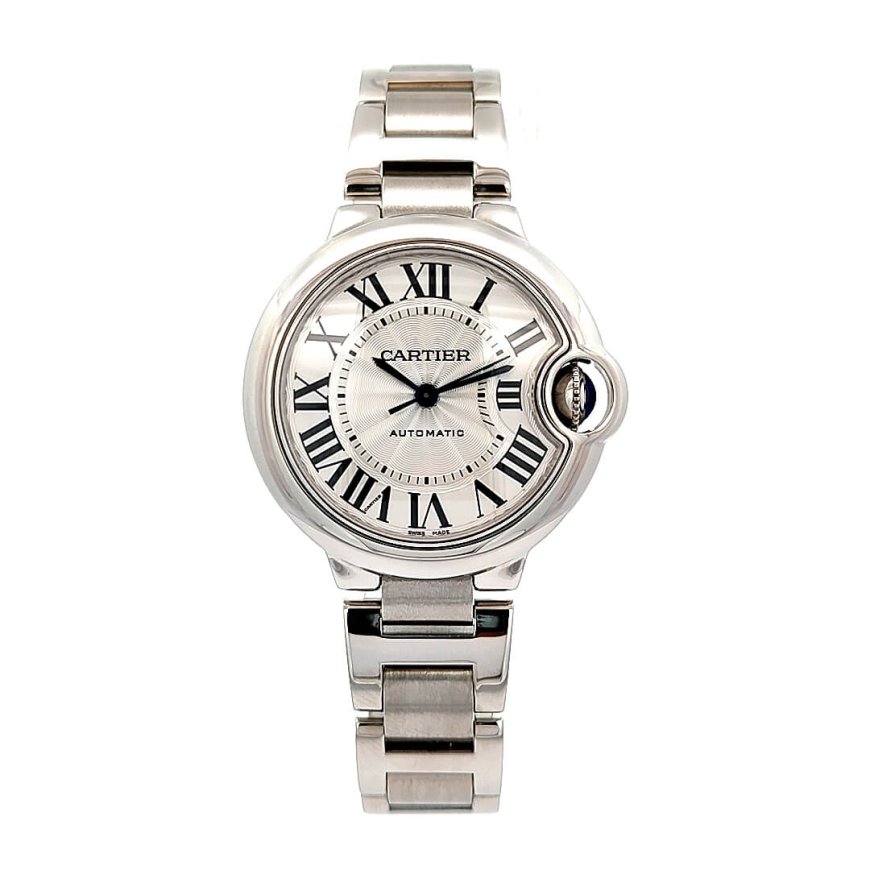
When it comes to luxury timepieces, Cartier stands out as a symbol of prestige, craftsmanship, and timeless style. However, with popularity comes imitation. Today, the market is flooded with replica Cartier watches, some so convincing they can easily fool the untrained eye. But what exactly separates a copy from an original Cartier? This guide dives deep into the real differences between authentic Cartier watches and their counterfeit counterparts helping you make an informed choice.
1. Brand Heritage and Authenticity
Original Cartier:
Founded in 1847, Cartier is a Parisian powerhouse known for crafting luxury jewelry and watches for royalty and celebrities alike. Every genuine Cartier watch carries this legacy, backed by decades of horological innovation, trademark elegance, and patented design.
Copy Cartier:
Replicas have no true lineage. They are manufactured to mimic appearances, not uphold heritage. A fake may look good, but it cant recreate Cartiers historical prestige or the emotional value of wearing a piece of authentic art.
2. Build Quality and Materials
Authentic Cartier:
Cartier uses premium materials such as 18K gold, stainless steel, sapphire crystal, and genuine alligator leather. The components are assembled with meticulous attention to detail, ensuring flawless symmetry, weight, and texture.
Copy Watches:
Even high-quality replicas cut corners. Materials often include cheap alloys, mineral glass, or plastic parts. While some super clones may appear similar at first glance, the tactile feel, weight, and durability differ significantly from the real deal.
3. Movement and Functionality
Original Cartier:
Inside every authentic Cartier is a Swiss-made movement, often mechanical or automatic, designed for precision and longevity. Some models even feature in-house calibers developed by Cartiers master watchmakers.
Copy Cartier:
Most replica watches use low-cost quartz movements or inferior automatic mechanisms made in China or Southeast Asia. These may keep time initially but often degrade quickly. Complications like chronographs or moon phases may be non-functional or purely decorative.
4. Price Point
Cartier Originals:
A new Cartier watch typically ranges from $3,000 to over $100,000, depending on the model, materials, and complications. The price reflects artistry, engineering, and brand value.
Replicas:
Copy Cartier watches can range from $50 to $1,000, depending on quality. While the price is tempting, you get what you pay for and sometimes far less.
5. Engravings, Serial Numbers, and Logos
Authentic Cartier:
Original pieces come with precise engravings, unique serial numbers, and subtle brand markings like the hidden Cartier signature inside the Roman numeral X or VII on the dial. All fonts and logos are clean, aligned, and consistent.
Replica Watches:
Even high-end replicas often have inconsistencies in logos, misaligned engravings, or generic serial numbers. Some may lack them entirely. Close inspection under magnification usually reveals flaws in craftsmanship and finishing.
6.Packaging and Documentation
Original Cartier:
Authentic Cartier watches are delivered in high-end boxes with official documentation, including a certificate of authenticity, user manual, and international warranty card. These components reflect luxury at every touchpoint.
Fake Cartier Watches:
While some high-grade fakes come with lookalike packaging, the materials often feel cheap or slightly off in color and design. Documentation is usually poorly printed or contains typos and inaccuracies.
7.Resale Value and Investment
Genuine Cartier:
An original Cartier watch holds or even appreciates in value, especially iconic models like the Santos, Tank, or Ballon Bleu. It can be considered a long-term investment or heirloom.
Copy Cartier:
Replicas have no resale value. In fact, selling or knowingly distributing them is illegal in many regions. You could face legal issues, or at best, be stuck with a devalued item.
8. Legal Implications
Original Watches:
Buying and owning an authentic Cartier is completely legal and respected worldwide.
Fake Watches:
Purchasing and especially selling counterfeit goods is illegal in many countries. Customs authorities can seize fake watches, and sellers can face fines or prosecution.
9. Emotional and Social Value
Authentic Cartier:
Wearing a real Cartier carries status, confidence, and pride. Its more than a watch its a statement about success, style, and appreciation for luxury craftsmanship.
Copy Cartier:
Even a convincing replica cant deliver the same emotional impact. Knowing its fake often detracts from the wearers confidence. Worse, those in the know will likely recognize it and judge accordingly.
10. How to Spot the Differences at a Glance
| Feature | Original Cartier | Copy Cartier |
|---|---|---|
| Price Range | $3,000 - $100,000+ | $50 - $1,000 |
| Movement | Swiss automatic/mechanical | Generic quartz or cheap auto |
| Weight | Solid and substantial | Light or uneven |
| Glass Type | Scratch-resistant sapphire | Mineral or plastic |
| Logos & Fonts | Sharp, aligned, consistent | Often misaligned or poorly cut |
| Serial Number | Unique and traceable | Fake or generic |
| Packaging | Premium with documentation | Inconsistent, often low-quality |
| Resale Value | High | None |
Final Thoughts: Is the Real Thing Worth It?
In a world where knockoffs are getting better at imitating luxury, you might wonder if spending thousands on a real Cartier is justified. The answer lies in what you value.
If you care about quality, craftsmanship, authenticity, and long-term worth, nothing compares to owning a genuine Cartier. A copy might offer the look temporarily, but it lacks the soul, story, and standards of the original.
That said, if youre only looking for a fashion piece for occasional wear and are fully aware that its not genuine, replicas can serve a purpose though they come with legal and ethical risks.