























Allergy Testing in London: A Complete Guide for Diagnosis and Relief
Discover expert allergy testing in London with our complete guide. Learn about types of tests, common allergens, top clinics, and treatment options—all based on trusted UK resources.

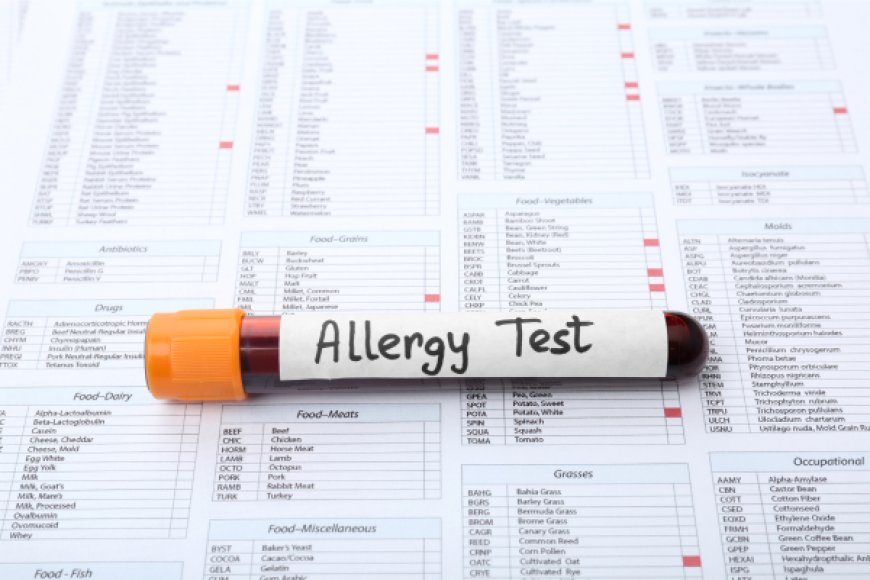
Allergies are a growing health concern in the UK, affecting millions of people across all age groups. From mild hay fever to life-threatening food allergies, these conditions can significantly affect a persons well-being and daily life.
Allergy testing plays a critical role in diagnosing these issues accurately, allowing for proper treatment and avoidance strategies. Without a correct diagnosis, individuals often continue to suffer from unexplained symptoms such as sneezing, rashes, digestive issues, or even severe respiratory distress.
London has emerged as a leading centre for allergy testing services, offering both NHS-based and private diagnostic options. Thanks to its medical infrastructure, access to specialists, and diversity of services, the capital provides some of the most advanced and accessible allergy testing solutions in the UK.
Types of Allergy Tests Available in London
When it comes to identifying allergies, there isnt a one-size-fits-all approach. Different tests are used depending on the symptoms, the patients medical history, and the suspected allergens. The three main types of allergy tests offered in London include the skin prick test, blood test, and patch test.
The skin prick test, commonly referred to as SPT, is the most frequently used diagnostic method for environmental and food allergies. It involves placing a small amount of suspected allergen on the skin, usually on the forearm or back, and then gently pricking the area to allow the allergen to enter the skins surface.
A positive result is usually indicated by a raised, itchy bump within 15 to 20 minutes. This test is quick and minimally invasive, often conducted in both NHS and private clinics across London.
Another commonly used method is the specific IgE blood test. This test is particularly useful for individuals who are unable to stop antihistamines or have skin conditions that could interfere with skin testing.
A blood sample is taken and analysed in a laboratory to detect the presence of specific IgE antibodies related to various allergens. Results typically take a few days to return and can provide detailed data about both food and airborne allergens.
The patch test is mainly used to diagnose contact dermatitis or delayed allergic reactions caused by substances like cosmetics, metals, or cleaning products. During this test, patches containing allergens are applied to the back and left in place for 48 hours.
After removal, the skin is examined over the next few days to detect any signs of reaction. Patch testing is more time-consuming but is invaluable for identifying allergens that do not cause immediate symptoms.
Common Allergies Among London Residents
Given the citys unique mix of urban living, historic buildings, green parks, and diverse dietary habits, people in London face a wide range of allergens. Some are environmental, while others are food-related or due to chemical exposure.
Pollen allergies are especially widespread in spring and summer. Tree pollen appears from March to May, grass pollen peaks in May through July, and weed pollen continues into late summer. Londons many parks and green spaces, while beautiful, can trigger severe seasonal symptoms in allergy sufferers.
Dust mite allergies are another common issue in London, particularly due to older housing and buildings where ventilation may be poor and carpets or upholstery trap allergens. These tiny insects thrive in warm, humid environments and are one of the most common causes of year-round allergic rhinitis and asthma.
Pet allergies, especially to cats and dogs, are also prevalent. Contrary to popular belief, its not the fur that causes allergic reactions but proteins found in an animals skin flakes, saliva, and urine. Given the popularity of pets in urban homes, exposure is frequent and symptoms can be persistent.
Food allergies are a significant concern in London, especially among children and young adults. The most commonly reported food allergens in the UK include milk, eggs, peanuts, tree nuts, wheat, soy, and shellfish. With the city's vast food culture and international cuisine, cross-contamination and hidden allergens are also a risk.
How to Choose the Right Allergy Testing Service in London
Choosing a reputable and qualified allergy testing provider is crucial for accurate results and appropriate treatment. London is home to a variety of options, including NHS clinics, private practices, and specialist centres, but not all offer the same quality of care or range of services.
One of the first things to consider is whether the clinic or practitioner is accredited. In the UK, all healthcare providers must be registered with the Care Quality Commission (CQC), which ensures that safety and service standards are met.
Specialisation is another key factor. Some clinics may focus on paediatric allergies, while others might offer a broader scope, including food intolerance, asthma-related allergies, or dermatological reactions.
Reviews and patient testimonials can also offer helpful insights into the quality of care. Websites like Doctify, Trustpilot, and Google Reviews often provide honest feedback from previous patients. Look for consistency in feedback related to professionalism, waiting times, clarity of explanation, and follow-up support.
What to Expect During the Allergy Testing Process
Understanding what the allergy testing process involves can help reduce anxiety and ensure that the experience is smooth and productive. While the steps may vary slightly depending on the clinic and the type of test, there is a general process that most services follow.
Before the test, the healthcare provider will conduct a comprehensive review of your symptoms, medical history, and possible allergy triggers. You may be asked to keep a symptom diary or complete a questionnaire. In preparation for skin tests, you may need to stop taking antihistamines for several days prior, as they can interfere with results.
During the test, the method used will depend on the type of allergy suspected. Skin prick tests and blood tests are typically completed in under an hour, whereas patch tests require multiple appointments over several days. Most procedures are minimally invasive and safe, though some mild discomfort or temporary skin irritation may occur.
After the test, results are reviewed with the patient, and a treatment or management plan is discussed. Some clinics also offer follow-up consultations, especially if immunotherapy or lifestyle changes are recommended. This phase is crucial, as interpreting test results correctly requires specialist knowledge.
Post-Diagnosis Treatment and Long-Term Allergy Management
Once an allergy has been accurately identified, the next step is implementing a suitable treatment plan. The most common approach is allergen avoidance. For food allergies, this involves reading labels carefully, avoiding known triggers, and possibly working with a dietitian to ensure nutritional needs are met. For environmental allergies, it may involve lifestyle adjustments such as using HEPA filters, dehumidifiers, or hypoallergenic bedding.
Medication is often used to manage symptoms. Antihistamines can provide quick relief for mild to moderate symptoms, while corticosteroids (either nasal sprays or topical creams) help reduce inflammation. For more severe cases, particularly for those at risk of anaphylaxis, adrenaline auto-injectors like EpiPens are prescribed and must be carried at all times.
Immunotherapy, also known as desensitisation, is a long-term treatment option that involves gradually introducing the body to small amounts of an allergen over time.
This can reduce or even eliminate allergic reactions in some individuals. Immunotherapy is available in both injection and sublingual (under-the-tongue) tablet forms and is typically offered in specialist clinicsor private allergy centres.
Education also plays a significant role in allergy management. Many clinics provide resources and training on how to recognise symptoms, use emergency medication, and handle exposure to allergens in public settings like schools or restaurants.
Conclusion: Taking Charge of Your Allergies in London
Allergy testing is a vital first step toward understanding your bodys reactions and regaining control over your health. With its wide array of NHS and private healthcare providers, London offers residents access to some of the best allergy testing and treatment options in the country. By recognising the symptoms early, choosing a trusted clinic, and following a personalised management plan, individuals can dramatically improve their quality of life.
If youre experiencing unexplained symptoms or suspect that you might be allergic to something, dont delay seeking help. Early diagnosis not only prevents complications but also opens the door to better long-term outcomes. As research continues to evolve, allergy testing and treatment options in London are becoming more advanced, accessible, and effective.