



















What Happens if It Rains During Exterior Painting
Rain can cause complications when painting the outside of a house. If the surface is wet or even a little wet, the paint might not stick well. This can create the paint bubble, peel, or leave streaks.

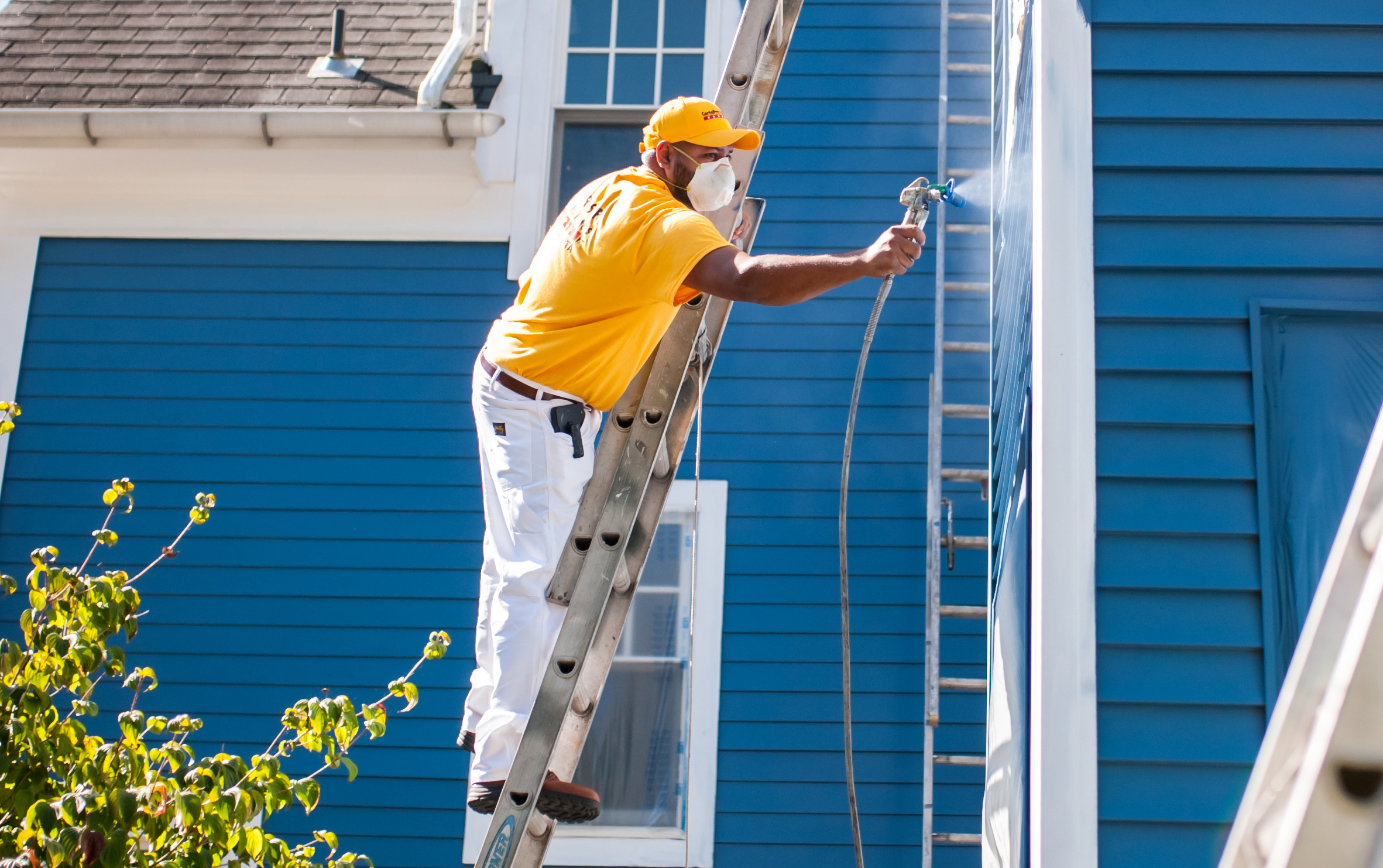
Rain can cause complications when painting the outside of a house. If the surface is wet or even a little wet, the paint might not stick well. This can create the paint bubble, peel, or leave streaks. Wet paint can also trap dampness, which may lead to mold or harm to the wood later on. Choosing the right time of year and using paint prepared for outdoor use also helps. For the best results, its a good idea to employ professionals inresidential painting Toronto.
Important Things to Know About Painting in the Rain:
Paint Can Wash Off: If it rains soon after painting, the paint can wash away and ruin the job.
Wet Surfaces Are a Problem: If the wall or surface is wet, the paint wont stick well, and it may peel or crack later.
Bubbles Can Form: Water below the paint can cause bubbles or blisters, which weaken the paint job and make it messy.
It Takes Longer to Dry: Rain makes the air humid, so the paint dries more slowly and may feel gummy or look uneven.
Mold Can Grow: If water gets trapped under the paint, mold or mildew can grow, which looks bad and can harm the surface.
Paint Can Wash Off
Rain can effortlessly mess up fresh paint, particularly if its latex or water-based. If it rains within 30 to 60 minutes after painting, the paint might not be dry enough to protect itself. This can cause streaks, patchy shades, bubbles, or even cause the paint to peel off. To fix this, the painter may want to sand the area, put on a new primer, and repaint all, which takes more time, effort, and money. Even light rain or drizzle can harm wet paint.
Wet Surfaces Are a Problem
Paint sticks best to clean and dry surfaces. Even if its not raining, leftover dampness from rain, humidity, or morning dew can soak into things like wood, concrete, or stucco. If you paint while the surface is still wet, the paint may bubble, crack, peel, or flake later. Wood is particularly complicated as it soaks up water fast and takes longer to dry. Its essential to wait at least 24 to 48 hours after rain so the surface can dry completely.
Bubbles Can Form
Painting right after rain or when the surface is still damp can cause great complications. Water can get trapped under the paint. Later, when the sun shines and the surface heats up, that trapped water turns into vapor and pushes against the paint. This forms bubbles or swellings that can pop, peel, or flake off. It makes the paint look bad and doesnt protect the surface well. This happens more frequently in places with high humidity or when painters add another coat before the first one is completely dry.
Takes Longer to Dry
Outdoor paint needs sufficient time to completely dry and become strong. This is known as curing. If it rains or the air is too moist, drying and curing take much longer. Paint that dries in a few hours stays gluey for a full day or more. Sticky paint can catch dust, dirt, and bugs, and its easy to mess up. If the paint doesnt dry equally, it can look patchy or dull. Wet weather can also disrupt the paint from sticking well, which means it might peel or crack quickly.
Mold Can Grow
When water gets stuck under the paint, it can create conditions for mold and mildew to grow, particularly in places that are dark, wet, or dont get much air. This can cause dark marks and marks on the walls, and the paint may start to peel. Mold can also go deep inside the wall and cause health complications like sneezing or trouble breathing. Sometimes, it can even rot wood in the wall. To end this, make sure the wall is totally dry before painting. You can also use paint made to discontinue mold or add a liquid that fights mildew.
Conclusion
In conclusion, painting when it rains or later can ruin how the paint looks and how long it lasts. Rain or moist air can trap water below the paint, causing bubbles, peeling, or cracking. Wet walls also stop the paint from sticking well, making it weak. If the paint doesnt dry the right way, it stays soft, feels sticky, and gathers dust or dirt. This establishes that the wall looks bad and might cost money to fix. To escape this, each time, pause for dry weather and check that the wall is fully dry before painting.