






















How to Start Singing Without Feeling Embarrassed (Even If You’re a Complete Beginner)
Embarrassed to sing? Learn how beginners can overcome fear, gain confidence, and start singing with joy using practical steps and beginner-friendly techniques.

Singing is one of the most freeing and joyful forms of self-expression but for many beginners, it also comes with fear, doubt, and embarrassment. Maybe youve always wanted to sing but were told not to. Or maybe you simply feel too self-conscious to begin.
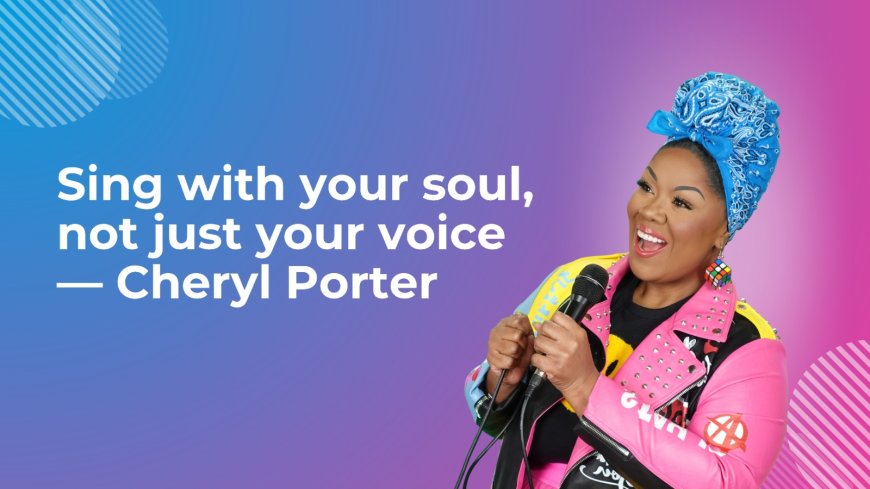
Youre not alone. The truth is, anyone can learn to sing with the right mindset, environment, and guidance. Programs like Cheryl Porters singing lessons for beginners are helping thousands of first-time singers take that first step without fear by teaching core vocal skills in a clear, supportive way.
If youve been holding back because youre afraid of how you sound or what others will think, this guide is for you.
Why Singing Feels So Embarrassing
The voice is personal. Unlike a guitar or piano, your voice is you. Thats why it feels so vulnerable to sing in front of anyone, even yourself.
You may have experienced any of the following:
-
Criticism or teasing when you tried to sing
-
Feeling like youre not talented enough
-
Fear of sounding bad or off-key
-
Lack of vocal control and breath support
-
Comparing yourself to professional singers
But none of those things are permanent. Embarrassment is a reaction, not a reality. Its something you can train past with the right support.
Step-by-Step: How to Start Singing Without Feeling Embarrassed
1. Start in Private
Before you even think about singing in front of others, give yourself permission to sing in private. Choose a quiet room, close the door, and sing along to a song you love.
2. Use Songs You Know Well
Familiarity helps reduce fear. When you already know the lyrics and melody, your brain has less to process and your body relaxes.
3. Begin With Simple Warmups
Gentle humming, lip trills, and basic scales help you loosen up your vocal cords without putting pressure on performance.
4. Record Small Snippets
Try singing a single verse and recording it. Dont listen back right away. Instead, focus on the fact that you did it you sang despite the fear.
5. Dont Aim for Perfection Aim for Progress
Maybe today your voice cracked. Thats fine. Maybe tomorrow youll hold a note longer. Thats growth. Celebrate tiny wins.
What Helps Most Beginners Gain Confidence
-
Structured guidance: A roadmap matters. It keeps you focused and eliminates second-guessing.
-
Safe space: You need an environment where mistakes are welcomed, not judged.
-
Small challenges: Pushing your comfort zone gradually is the key to progress.
-
Positive reinforcement: Encouragement works better than criticism, especially when building vocal confidence.
When all of these elements come together like they do in the right beginner course embarrassment becomes an old story.
Final Thoughts
You dont have to sing like Beyonc to enjoy your voice. You dont need to go viral, perform on stage, or get a record deal. You just need to begin.
The fear you feel now? Its a sign you care. And thats a good thing. With steady practice, the right training, and a shift in mindset, youll soon realize your voice is not something to hide but something to share.