























How Doxycycline Fights Bacterial Infections Effectively
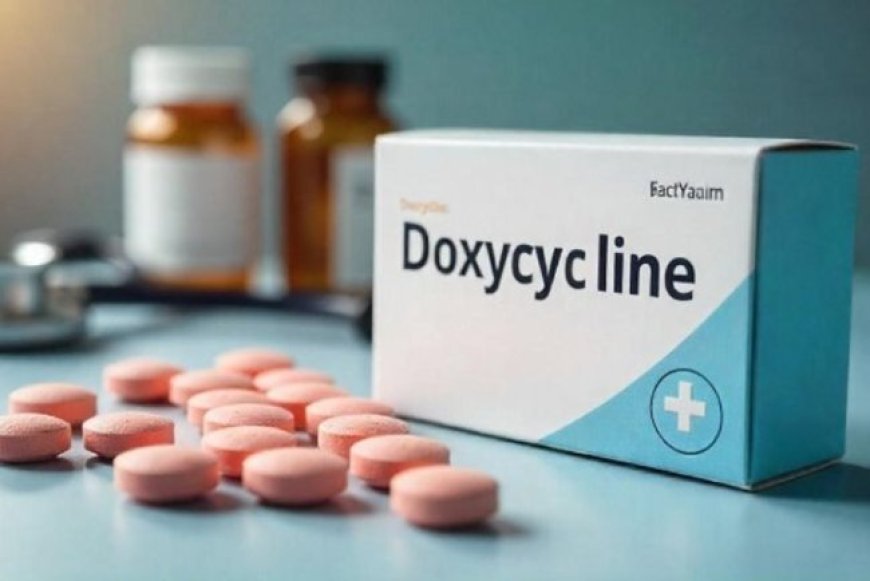
Doxycycline Monohydrate 100 mgis a powerful and widely used broad-spectrum antibiotic belonging to the tetracycline class. It has been a cornerstone in the treatment of a wide range of bacterial infections for decades. Known for its versatility, oral bioavailability, and effectiveness, doxycycline plays a critical role in treating infections of the respiratory tract, skin, urinary system, sexually transmitted infections (STIs), tick-borne illnesses, and even malaria prevention.
In this article, we will explore how doxycycline works to fight bacterial infections, its mechanism of action, common uses, dosing, benefits, and important safety information.
? What Is Doxycycline?
Doxycycline is a semi-synthetic tetracycline antibiotic that works by stopping the growth and spread of bacteria. It is commonly prescribed under brand names such as Vibramycin, Doryx, and Monodox, among others.
What makes doxycycline unique is its:
-
Long half-life, allowing for once- or twice-daily dosing
-
Excellent oral absorption, even without food (though food reduces stomach upset)
-
Ability to penetrate deep tissues and reach infections that other antibiotics may not
?? How Doxycycline Works: Mechanism of Action
Doxycycline fights bacteria through a bacteriostatic mechanismthis means it inhibits the growth and reproduction of bacteria rather than directly killing them.
Here's how it works:
-
Protein Synthesis Inhibition
Doxycycline binds to the 30S ribosomal subunit of bacterial cells.
This prevents the addition of amino acids to the growing protein chain, which is vital for bacterial survival. -
Blocking Replication and Spread
By halting protein production, bacteria cannot grow or multiply, allowing the immune system to eliminate the infection.
Note: Doxycycline is selective to bacteria and does not harm human cells because human cells have different ribosomal structures.
? Common Infections Treated with Doxycycline
Doxycycline is incredibly versatile and used to treat a wide range of infections:
1. Respiratory Tract Infections
-
Pneumonia (especially atypical pneumonia)
-
Chronic bronchitis
-
Sinus infections
-
Whooping cough (pertussis)
2. Skin and Soft Tissue Infections
-
Acne (especially inflammatory or cystic acne)
-
Rosacea (reduces redness and inflammation)
-
Cellulitis caused by certain bacteria
3. Urinary Tract and Reproductive System Infections
-
Urinary tract infections (UTIs)
-
Pelvic inflammatory disease (PID)
-
Chlamydia and gonorrhea (sexually transmitted infections)
4. Tick-Borne and Parasitic Diseases
-
Lyme disease
-
Rocky Mountain spotted fever
-
Ehrlichiosis
-
Malaria prophylaxis (especially in travelers)
5. Dental and Eye Infections
-
Periodontal infections (gum infections)
-
Trachoma and inclusion conjunctivitis (chlamydia-related eye diseases)
? Dosage and Administration
Doxycycline is available in several forms:
-
Tablets or capsules (100 mg or 200 mg)
-
Liquid suspensions
-
Injectable formulations (in hospitals)
Typical Dosing Guidelines:
-
Adults: 100 mg twice a day or 200 mg once daily
-
Children over 8 years: Dose based on body weight
-
Malaria prevention: 100 mg daily starting 12 days before travel and continued for 4 weeks after return
Always follow your doctors instructions. Never change your dose without consulting your healthcare provider.
?? How Fast Does Doxycycline Work?
-
Mild infections may improve within 2448 hours.
-
Skin conditions like acne may take 12 weeks to show results.
-
Tick-borne diseases usually improve within 35 days.
-
Full treatment typically lasts 714 days, depending on the infection.
? Benefits of Doxycycline
1. Broad-spectrum activity
It covers both Gram-positive and Gram-negative bacteria, including atypical pathogens.
2. Long-lasting effect
Its long half-life means fewer doses, increasing patient compliance.
3. Excellent tissue penetration
Doxycycline reaches lungs, skin, urinary tract, and reproductive organs effectively.
4. Anti-inflammatory properties
Especially beneficial in acne, rosacea, and respiratory infections.
5. Effective against antibiotic-resistant strains
It can be useful in certain MRSA (Methicillin-resistant Staph aureus) infections.
?? Side Effects and Precautions
While doxycycline is generally safe, it may cause side effects in some people.
Common Side Effects:
-
Nausea, vomiting
-
Diarrhea
-
Stomach pain or acid reflux
-
Photosensitivity (sunburn risk)
-
Headache
Serious (but rare) Side Effects:
-
Severe allergic reactions (rash, itching, swelling)
-
Liver or kidney issues (with long-term use)
-
Esophageal irritation or ulcers (especially if taken without water)
? Who Should Avoid Doxycycline?
-
Children under 8 years old (can cause permanent tooth discoloration)
-
Pregnant women (especially in the second and third trimesters)
-
Breastfeeding mothers
-
People with liver disease or allergy to tetracyclines
? Drug Interactions
Doxycycline may interact with:
-
Antacids and calcium/magnesium supplements (reduce absorption)
-
Iron supplements
-
Blood thinners like warfarin
-
Oral contraceptives (may reduce effectiveness)
-
Retinoids (can increase risk of intracranial pressure)
Always tell your doctor about all medications and supplements you are taking.
? Tips for Taking Doxycycline
-
Take with a full glass of water and sit upright for at least 30 minutes afterward.
-
Avoid milk, calcium, and antacids within 2 hours of taking the tablet.
-
Wear sun protection if you are outdoors, as doxycycline increases sun sensitivity.
-
Complete the entire course, even if you feel better before its done.
? Final Thoughts
Doxycycline is a trusted and effective antibiotic for a wide variety of bacterial infections. Its ability to inhibit bacterial protein synthesis, excellent absorption, and anti-inflammatory properties make it a go-to choice for doctors around the world.
Whether treating an acute infection or used as a preventive measure (like for malaria), doxycycline delivers results quickly and reliably. However, like all antibiotics, it should be used only when necessary and under medical supervision to prevent resistance and ensure safety.
By following proper dosage, avoiding interactions, and completing the full course, you can count on doxycycline to help you overcome many bacterial infections effectively.