





















Why Clinical Trials Are a Win-Win for Patients and Researchers
Clinical trials offer valuable benefits for both patients and researchers, advancing medical knowledge while providing access to cutting-edge treatments.

What if helping others could also bring you closer to better care?Thats exactly what clinical trials offer. They create a partnership between patients and researchers where both sides gain. Patients get early access to new treatments, and researchers collect valuable data that improves medical science.
However, not everything about trials runs smoothly. Sometimes, clinical trial setup issues delay important studies and stop people from joining in time. This blog explores how trials work, why they benefit everyone involved, and how smarter systems can make the entire process better for all.
What Makes Clinical Trials a Two-Way Street?
Clinical trials are structured studies that test new drugs, treatments, or procedures in real patients. These trials are the final step before a new medical option becomes available to the public.
What makes this process unique is the relationship between those giving the treatment and those receiving it. Patients benefit from innovative care, while researchers get data they need to prove what works.
Its a system built on trust and cooperation. Without patients, trials cant move forward. Without researchers, theres no new care to offer.
Whats in It for the Patient?
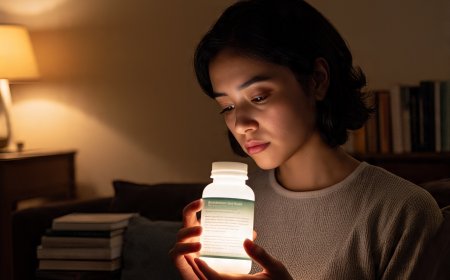
You might wonder why someone would sign up for a trial, especially when the outcome isnt guaranteed. Well, heres the thingtrials often offer benefits that go beyond standard care.
Patients may receive new treatments that arent available to the public. These treatments could work better than their current options. Even if they dont, the patient still gets close medical supervision throughout the study.
In addition, being part of a trial can offer emotional benefits. Some people feel more in control of their condition. Others say theyre proud to help future patients.
Moreover, many participants feel like part of a community. The regular checkups, communication, and focus on well-being make people feel seen and supported. This experience can improve how they view their health journey overall.
How Do Researchers Benefit from Your Participation?
Researchers need reliable patient data to make progress. Every test, report, or reaction helps them understand whether a treatment is safe and effective.
When patients join a trial, they dont just receive care. They give something valuable in returnreal-world insights. These details help refine treatments, adjust doses, and uncover side effects.
Furthermore, trials give researchers the chance to test across a variety of people. Age, gender, and background all influence how someone reacts to a treatment. More participation means stronger data.
Additionally, researchers gain something less measurable: motivation. Seeing how patients engage with a trial helps researchers stay focused on real outcomes, not just numbers.
Shared Success: How Trials Lead to Better Treatments
Trials arent just about the patient in the chair or the scientist in the lab. They affect every part of healthcare.
Take todays widely used medicationsmost of them began in a trial. Each dose now saving lives started as a small study. Without trials, wed still rely on older treatments with fewer options.
Moreover, trials help set future medical standards. The evidence gathered becomes part of how doctors decide whats best for new patients. This makes care more precise, more personal, and often more successful.
Every time a patient joins a trial, they help shape better care not just for themselves, but for everyone who comes after.
What Gets in the Way? Understanding the Setup Challenges
Now that weve looked at the benefits, its time to talk about what holds trials back. Unfortunately, not all clinical studies reach enough people or begin on time. Most of this comes down to clinical trial setup issues.
These issues often include:
-
Delayed approvals
-
Difficulty finding trial locations
-
Low participant awareness
-
Poor communication between teams
These problems can add months or even years to a trial. And during that delay, people wait. Treatments stay in labs. Potential health breakthroughs go unused.
The most frustrating part? Many of these problems are avoidable. We just need better systems to organize and support the trial process from the start.
Are We Doing Enough to Make Trials Easier?
Lets be honest. For many patients, trials still feel hard to access. Some live too far from trial sites. Others dont understand the process or worry about risks. These barriers reduce participation and slow research down.
However, the healthcare field is responding. Today, more studies allow remote check-ins or home-based care. This flexibility helps patients stay engaged.
Additionally, researchers now focus more on including people from all backgrounds. A trial that reflects a broader population gives results that help more people.
In short, we can do more. And when we remove hurdles, everyone winspatients, doctors, and future generations.
The Human Side: Why Trust and Support Matter
Science doesnt move forward on data alone. It needs trust. Patients need to believe theyll be treated with care. Researchers need to support participants with honest answers and clear expectations.
When both sides commit to that trust, trials feel less like experiments and more like partnerships.
Many people feel unsure when first learning about trials. They ask: What if it doesnt help? or Will I be safe? These are fair questions. Thats why support matters.
Doctors and study staff must provide real answers. They should explain the trial clearly and respect a patients choice to joinor not. When this happens, more people say yes. And theyre more likely to stay through the full study.
How Technology Is Making Clinical Trials Better for Everyone
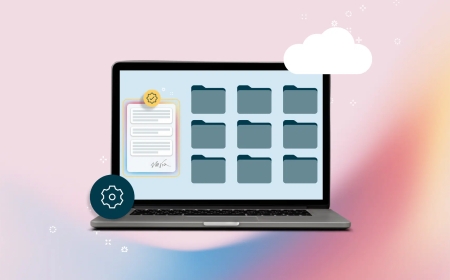
We live in a digital world. And thankfully, trials are catching up. New systems help match patients to trials faster. Others help doctors track progress and reduce mistakes.
With these tools, researchers can plan better. They can avoid missed steps or repeated paperwork. And when a study runs smoother, results come faster. Moreover, patients benefit too. Many can now use apps to report symptoms, schedule visits, or chat with their trial team.
Conclusion
Clinical trials are not one-sided. They succeed when both patients and researchers benefit. Patients gain early access to new care, more attention, and a chance to contribute to something larger than themselves. Researchers get the data and feedback they need to improve treatment for everyone.
Technology offers a clear solution. As more groups launch pre-clinical trial setup system platforms, the process becomes easier and faster. That means more people get help sooner, and research keeps moving forward.
If youve ever thought about joining a trial or supporting medical research, this might be your moment. Your part in this win-win equation could lead to a better futurefor you and for many others.