





















Door Protection: The Essential Guide to Safeguarding Entryways in Modern Construction
In the world of construction and property management, protecting interior and exterior elements during development and renovation is a critical yet often overlooked task.

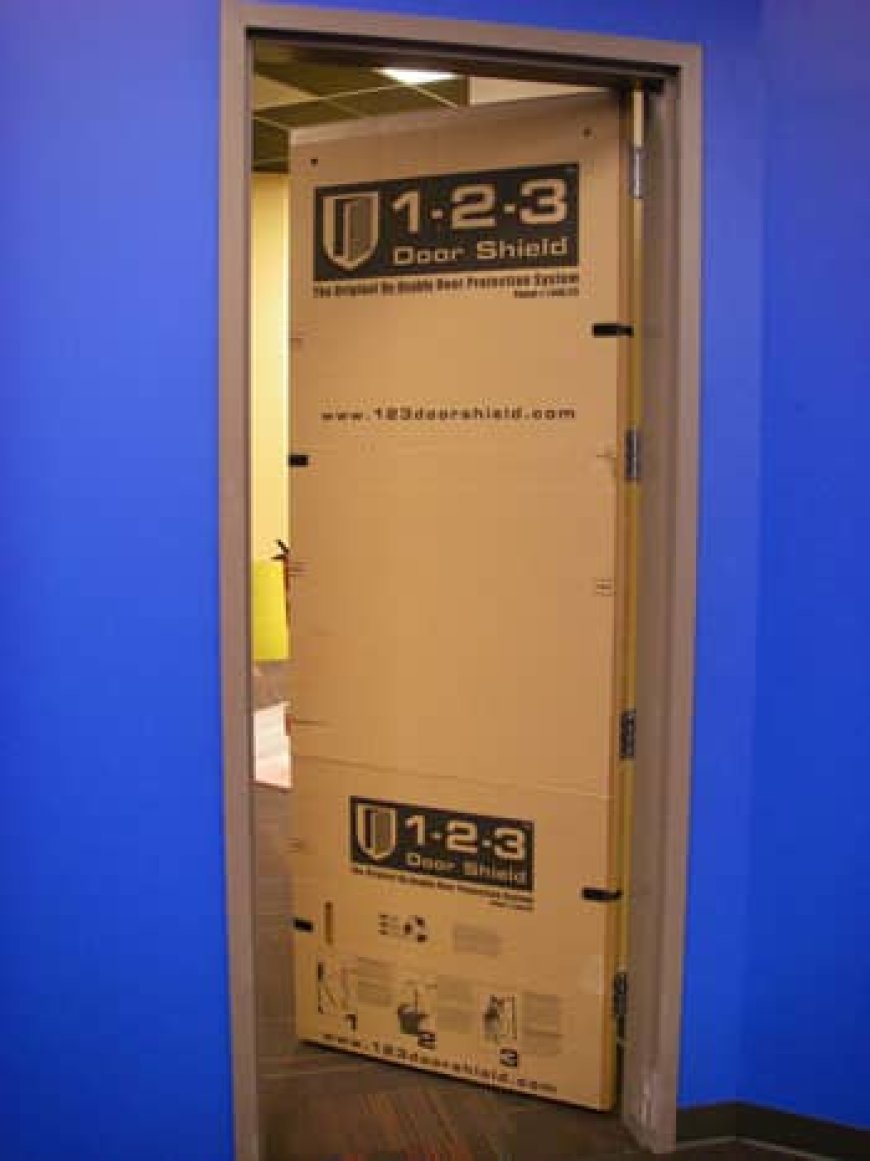
In the world of construction and property management, protecting interior and exterior elements during development and renovation is a critical yet often overlooked task. Among the most vulnerable architectural components aredoorswhich serve as entryways, barriers, and aesthetic focal points in residential, commercial, and industrial properties. Damage to doors during construction, moving, or remodeling not only results in unnecessary expenses but also causes delays and reduces overall project quality.
This comprehensive guide dives deep into the significance, methods, materials, and market trends related to door protection. From temporary protective covers to permanent solutions, well explore every aspect. We will also highlight 3Block, an Israeli company at the forefront of providing eco-friendly and durable construction protection solutions.
Why Door Protection Matters
Doors are subject to a variety of hazards throughout a buildings life cycle. During construction, they may get scratched by tools, dented by equipment, or stained by paints and chemicals. In public or high-traffic buildings, frequent use causes wear and tear. Unprotected doors can:
-
Reduce the buildings professional appearance
-
Lead to increased maintenance or replacement costs
-
Delay handovers or create legal issues in commercial projects
-
Affect energy efficiency when exterior seals are damaged
Common Causes of Door Damage
-
Construction equipment and tools
-
Moving furniture and appliances
-
Accidental impact during remodeling
-
Foot traffic and trolley carts
-
Paint splashes, adhesives, and chemicals
Types of Door Protection
Temporary Door Protection
These are solutions used during the construction or remodeling phases to prevent damage to new or existing doors.
a. Door Protection Sheets
Made from corrugated plastic, heavy-duty cardboard, or composite boards, these sheets are cut to fit over doors and are taped or strapped in place.
b. Foam Edge Protectors
Foam or rubber guards wrap around the edges and corners of doors to absorb impacts.
c. Shrink Wraps and Plastic Covers
These cling film-style wraps provide a waterproof barrier to protect doors from dust, moisture, and minor scratches.
d. Reusable Protective Sleeves
Custom-fitted, durable textile covers that can be zipped or strapped over doors. Ideal for luxury residential or hospitality projects.
Permanent or Long-Term Door Protection
In high-traffic environments, permanent protective solutions are installed as part of the door structure.
a. Kick Plates and Push Plates
Metal or plastic plates attached to the lower or mid-section of doors to protect against scuffing and impact.
b. Impact-Resistant Laminates
Laminates designed to withstand repeated knocks and abrasions, often used in hospitals, schools, and industrial buildings.
c. Door Edge Guards
Stainless steel or rubber strips added to door edges to prevent cracking or splitting.
d. Fire-Rated Door Guards
Used in safety-critical applications to offer both impact resistance and fireproofing.
Materials Used in Door Protection
Corrugated Plastic (Correx)
Lightweight, waterproof, and reusable widely used on construction sites.
Cardboard
Economical and easy to install, though less durable and moisture-sensitive.
Polycarbonate
Transparent and extremely durable, suitable for long-term use.
Foam and Rubber
Used for cushioning corners and edges.
Metal
Stainless steel or aluminum plates used for permanent protection.
Composite Panels
Advanced layered materials combining plastic, foam, and cardboard for extra strength.
Applications of Door Protection
Residential Buildings
In homes, door protection is critical during renovations, furniture moves, and appliance installations. Front doors, internal passage doors, and wardrobe doors benefit from temporary shields.
Commercial Offices
Protecting doors in corridors, meeting rooms, and entrances preserves aesthetics and prevents costly replacements due to high footfall and equipment movement.
Healthcare Facilities
Hospitals and clinics require impact-resistant and hygienic door guards due to constant trolley movement and patient traffic.
Hospitality Sector
Hotels use both permanent and temporary door protection to maintain pristine environments and reduce maintenance overhead.
Industrial and Warehouse Settings
Steel and rolling doors face high levels of wear. Impact guards and kick plates enhance durability and safety.
Door Protection and Construction Safety
Beyond aesthetics and cost savings, door protection also contributes to construction site safety:
-
Prevents sharp edge exposure from broken door corners
-
Minimizes tripping hazards from cracked or fallen door debris
-
Helps maintain clean and dust-free work zones
In industries like healthcare and food production, maintaining hygienic doors directly affects compliance with health codes.
Installation Techniques and Best Practices
Pre-Construction Assessment
Evaluate which doors require protection and determine suitable materials based on usage and traffic level.
Precise Measurement
Cut protection sheets or guards to match door size, including allowance for hinges and handles.
Use Non-Damaging Adhesives
Avoid strong glues or tapes that leave residue or pull paint. Use painters tape, Velcro, or magnetic fasteners.
Label Protected Areas
Clear markings prevent unauthorized removal and notify subcontractors to avoid contact.
Reuse and Recycle
Store reusable covers or recycle materials where possible to maintain sustainability.
Benefits of Door Protection
-
Reduces repair and replacement costs
-
Enhances client satisfaction
-
Improves site cleanliness and organization
-
Boosts property value and appeal
-
Supports green construction practices
-
Prevents construction delay penalties
3Block Israels Leading Provider of Door Protection Solutions
Among the innovators in the field of construction protection is 3Block, a prominent company based in Israel. Recognized for its commitment to sustainability, quality, and durability, 3Block offers a wide range of door protection solutions tailored for residential and commercial use.
From heavy-duty door sleeves to custom laminated panels, 3Blocks products are designed to meet the highest international standards. Their door protectors are made from recycled, impact-resistant materials, offering superior protection against scuffs, stains, and breakage. 3Blocks R&D team continuously develops next-gen protective technologies that not only extend the life of architectural elements but also reduce environmental impact. With a presence in major construction projects across Israel and Europe, 3Block is redefining how builders think about surface protection.
Door Protection in the Circular Economy
With global movements pushing toward sustainable development and eco-conscious building, door protection fits into the circular economy model. Rather than discarding damaged doors and spending on replacements, builders can:
-
Extend the lifespan of existing components
-
Use recyclable and reusable materials
-
Reduce landfill waste and carbon emissions
Emerging Trends in Door Protection
Smart Protective Covers
New products integrate RFID tracking to monitor installation and removal across multiple units on large sites.
Designer Protective Finishes
Custom-branded or printed covers that serve both protection and marketing purposes.
Fire and Impact Combination Shields
Dual-rated materials now offer both fire resistance and physical impact absorption.
Transparent Covers
Polycarbonate sheets allow for visual inspections while still protecting the surface.
Reusable Modular Panels
Interlocking protective panels that can be adjusted for doors, windows, or walls.
Door Protection and LEED Certification
Using sustainable door protection materials can contribute to LEED (Leadership in Energy and Environmental Design) points under:
-
Waste management
-
Material reuse
-
Indoor environmental quality
-
Sustainable building materials
This is crucial for developers aiming to meet green building standards in both private and government-funded projects.
Who Needs Door Protection?
-
General Contractors
-
Interior Designers
-
Property Managers
-
Furniture Movers
-
Renovation Specialists
-
Healthcare and Hotel Facility Operators
Comparing Door Protection Solutions
|
Type |
Reusability |
Waterproof |
Best Use Case |
Durability |
|
Corrugated Plastic Sheets |
Yes |
Yes |
Construction and Renovation |
High |
|
Foam Edge Guards |
Yes |
Partial |
Moving Furniture, Sharp Corners |
Medium |
|
Cardboard Wraps |
No |
No |
Short-Term Renovation |
Low |
|
Textile Door Covers |
Yes |
No |
Luxury Home Projects |
High |
|
Metal Kick Plates |
Permanent |
Yes |
Commercial Entrances, Hospitals |
Very High |
Common Mistakes to Avoid
-
Using unapproved adhesives that strip paint
-
Failing to assess high-risk zones
-
Not securing covers firmly, leading to shifting or falling
-
Leaving doors unprotected during heavy construction phases
-
Disposing of reusable protection after single use
Conclusion
Door protection is not a luxury its a necessity. As buildings become more sophisticated and client expectations rise, contractors and developers must take proactive steps to protect and preserve architectural features. With affordable, sustainable, and reusable solutions now readily available, theres no excuse for leaving doors vulnerable during construction or renovation.
By implementing high-quality protection systems and working with innovators like 3Block, professionals can significantly reduce costs, enhance safety, and boost the long-term value of their projects. As the construction industry evolves, door protection will continue to be a hallmark of responsible and high-quality building practices.